10 Fall Home Maintenance Tasks For Every Homeowner
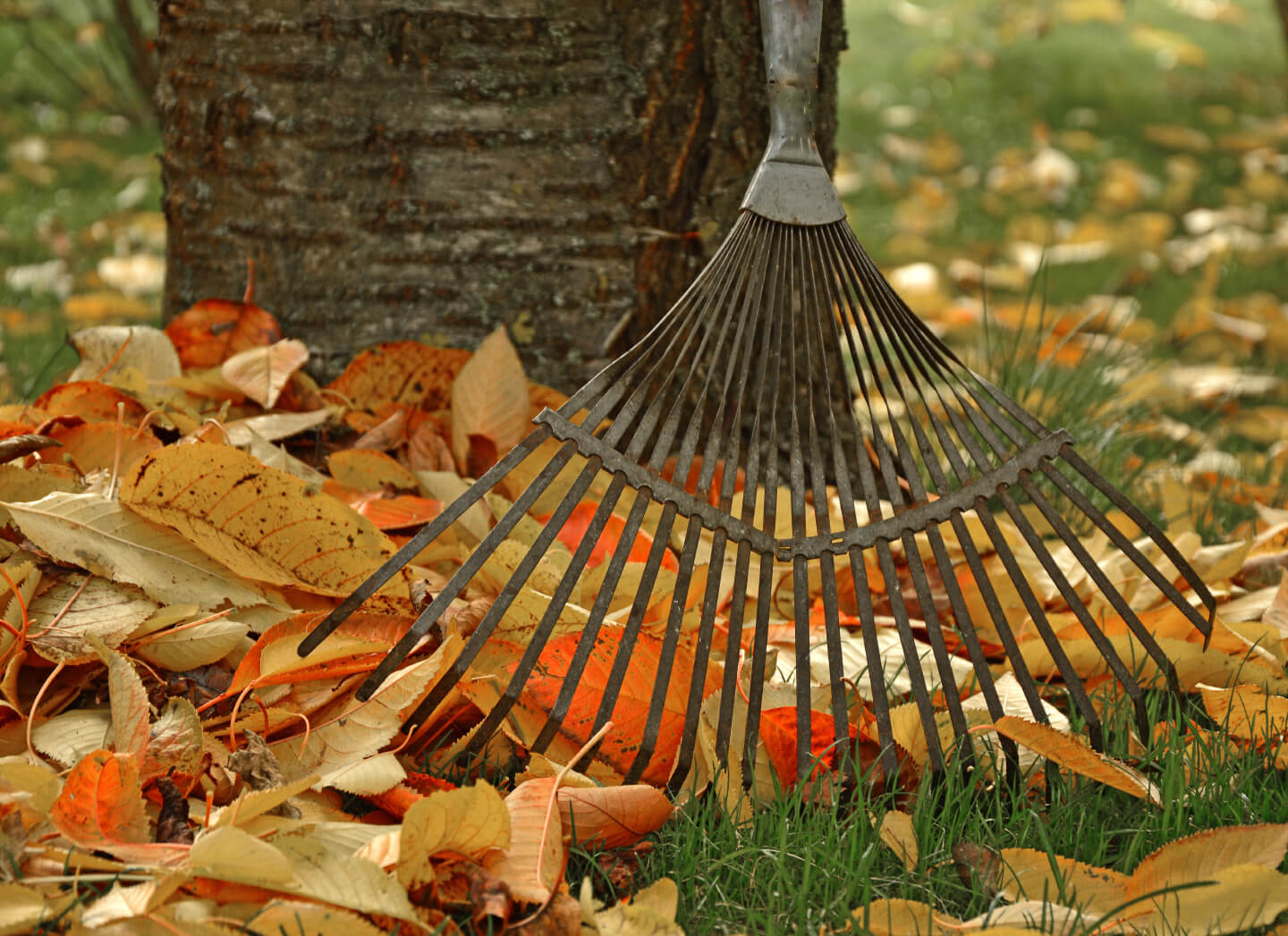
Fall is a critical time of year for home maintenance, and even if you’re enjoying a brand new Lindvest home, there are a few ongoing tasks that you’ll want to take care of to ensure your home is winter-ready. We’ve highlighted 10 of them, along with a few tips to make them a little easier.
1. Check Your Gutters
Cleaning leaves and dirt out of your eavestroughs is not only important to ensure there is no back-up, but it also prevents ice dams from forming when the weather turns, which can lead to more serious damage.
Once you’ve got the gunk out, run some water through your eavestroughs to ensure it’s draining properly, and to spot any hidden blockages or leaks. If you have an overhanging tree, or a lot of buildup, consider gutter guards.
2. Trim Nearby Trees
Managing tree foliage near your roof will make cleaning your gutters much easier. Since trees enter a dormant stage in the fall, pruning does not negatively impact the tree’s health.
You should also make sure that there are no large or dead branches overhanging your roof. Winter snow will apply extra weight to the tree branches, causing them to potentially break off and fall onto the house. If your tree is very large and needs major pruning, contact an arborist.
3. Inspect Your Roof
Most roofs won’t require repairs for 10 years or more, but inspecting your roof can help you stay ahead of potential water damage. Look for damaged, loose, or curling shingles. You’ll also need to inspect your flashing, which are the metal pieces that transition between the shingles and other features, like a chimney or roof vent. Make sure that your flashing is not loose or corroded. Finally, you can inspect your roof vents to ensure that they aren’t obstructed with leaves.
4. Keep Taking Care of Your Lawn
Pre-winter lawn care is very important in ensuring a healthy lawn. Fallen leaves can block sunlight and trap moisture, suffocating the grass underneath. Lawn mowing should continue until two weeks before the first frost. Professionals recommend leaving your grass at 2–2.5 inches in length to promote good lawn health during the winter. September and October are also a good time to apply fertilizer to promote deep root growth.
5. Check & Seal Window Air Leaks
Annually checking window air leaks will help you save on your heating bill. According to the government of Canada, 35% of heat loss in a home is due to ineffective windows, doors, and skylights.
One trick to check for leaks: carefully pass smoking incense near window sealing. If the smoke sucks in or pulls away, that’s a leak. This will be more effective on a windy day. You can fix your air leaks by reapplying caulking on windows, doors, and exterior entry points for wires and pipes.
You can also test the effectiveness of weatherstripping by placing a small strip of paper on the weatherstripping and closing the door. If the paper can be removed easily, it means your weatherstripping is not creating an air-tight seal and may need to be replaced.
6. Prepare Outdoor Faucets for the Winter
Outdoor faucets, also known as sill cocks, spigots, or hose bibs, should be shut off during the winter to prevent freezing damage. You can usually find the shut-off valves in the basement near where the faucet exits the house, or in a utility room near the main water supply line. After shutting off the water, make sure to open the faucet to drain the pipes of any remaining water.
Outdoor faucets without shut-off valves should be covered by a cold weather faucet cover, which can be found at most hardware stores.
7. Check Smoke & Carbon Monoxide Detectors
Batteries for smoke alarms should be changed twice a year. The City of Toronto recommends changing them at the same time you change your clocks for daylight savings time. Some smoke alarms come with a ten-year sealed battery and do not require battery changes.
Remove dust from your alarm by gently vacuuming it with a soft brush every six months. Afterwards, test the unit by pressing the central button to ensure that the alarm is functioning.
8. Replace Your Furnace Filter
Furnace filters should be replaced every three months or when dirty. When replacing your furnace filter, check the owner's manual for the filter dimensions, or reference your previous furnace filter. Furnace filters also have MERV ratings, which range from 1–16. Professionals recommend using filters with a MERV Rating of 8 for residential furnaces. Higher MERV ratings can help mitigate allergies, but will require your furnace to work harder.
9. Clean Your Dryer Vent
Cleaning your dryer vent is a recurring task that should be done every 12 months, depending on your level of dryer usage (pet owners may need to do it more often). If your dryer is running hotter than usual, or your lint trap is catching less lint, you may need to clean the vent.
To start, unplug the dryer and locate the dryer vent behind the unit. You may need to shift the dryer to access the vent. Next, you can disconnect your dryer vent from the machine. Cleaning a dryer vent is relatively simple — use a vacuum to get inside the dryer vent and remove the lint. Removing the part of the vent that’s attached to the wall may require a screwdriver but will make it easier to get rid of all the lint.
Next, you’ll want to locate where the vent exits your home. Use a screwdriver to remove the exterior vent cover and clean the dryer vent from the outside. Once you’ve finished, make sure to reassemble the dryer vent.
10. Flush Your Water Heater
A conventional water heater should be flushed once a year. Doing so will remove any sediment that has accumulated inside the tank, increasing the life of the heater. Always make sure to read the maintenance section of the water heater, as each heater will have specific maintenance requirements. Flushing a water heater involves shutting off the electricity/gas and the water source, then using a hose to route the water to a drain.
If it’s your first time flushing your water heater, you may want to hire a plumber and observe their process, so that you can do it yourself next time.
High-quality homes ensure that fall maintenance tasks are easy and straightforward. At Lindvest, we craft each home with premium materials and appliances. Browse our communities to learn more.